Surface review
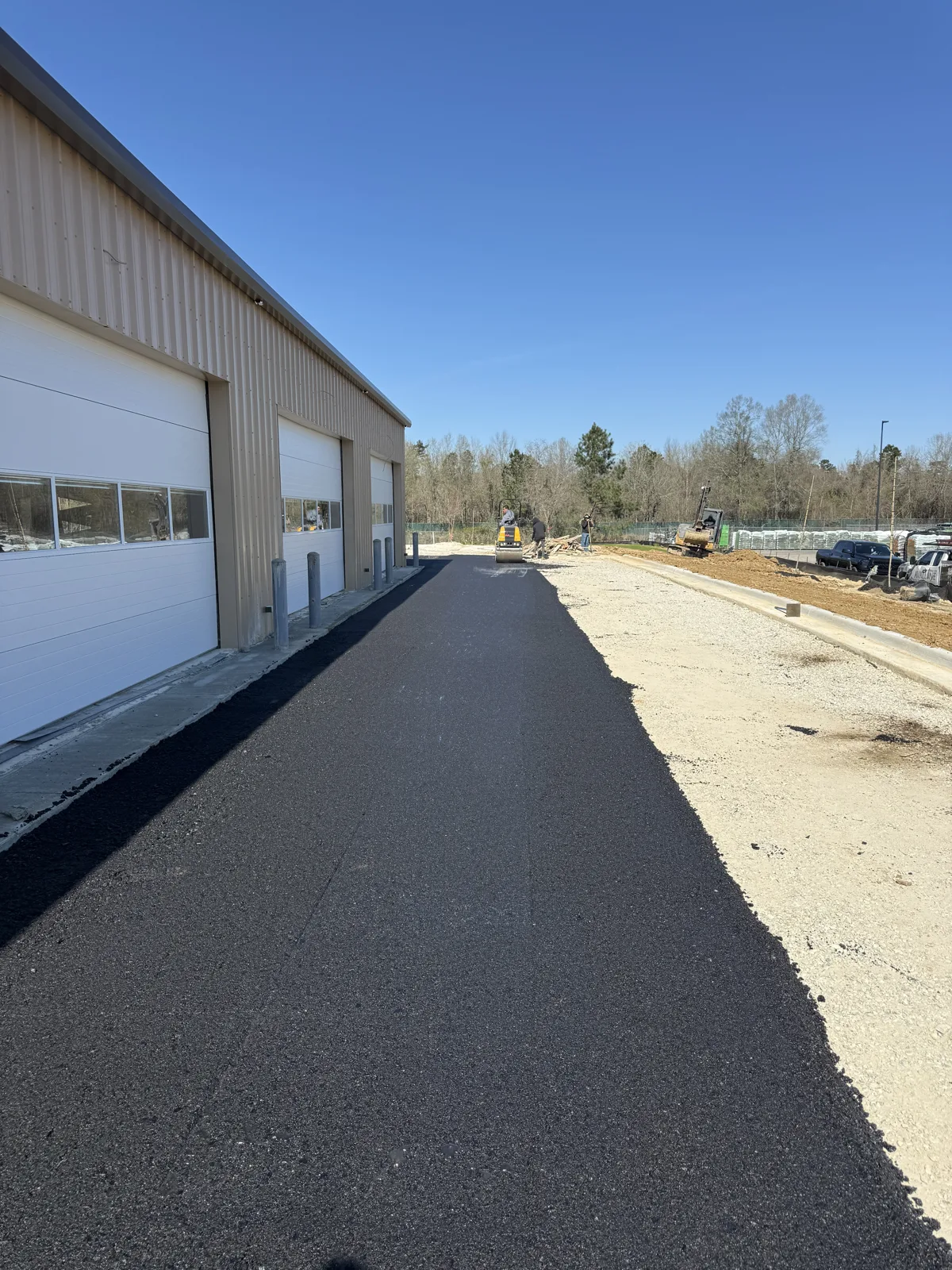
A walkthrough of the lot to separate areas that are ready for sealcoat from areas that need crack sealing or repair first.


SEALCOATING / ASPHALT MAINTENANCE
A protective coat for sound asphalt, planned around Gulf Coast sun and rain and around the people who use the lot every day. Our team checks the surface first, so the coating goes where it will actually help.
01 / WHY SEALCOAT
Asphalt is held together by a binder that dries out and turns brittle with long exposure to sun, heat and water. The surface fades from black to gray, small cracks open, and rain finds its way into the base. A sealcoat is a thin protective layer applied over sound pavement to slow that process and restore a uniform, dark finish.
Sealcoating is maintenance, not repair. It will not fix a pothole, a failed patch or a soft spot. That is why our team walks the lot before we price it: cracks get sealed, failed areas get repaired, and only then does the coating go down.
02 / WHAT’S INCLUDED
Every proposal is written for the property. Typical scope items include:
A walkthrough of the lot to separate areas that are ready for sealcoat from areas that need crack sealing or repair first.
Debris removal and cleaning of the surface, with attention to oil spots and edges where the coating has to bond.
Open cracks are filled before the coat goes on, so water is not sealed in under a fresh surface.
Application across drive lanes and parking areas, with the number of coats set out in the written proposal.
Sealcoat covers existing markings, so striping and accessible-space layout can be part of the same scope.
Sections closed in a planned order, with reopening times stated in the proposal so you can notify tenants or residents.
03 / GULF COAST CONDITIONS
Along the Gulf Coast, sealcoat has to be scheduled with the weather, not against it. Coatings need dry pavement and a dry window to cure, and summer afternoon storms can arrive fast. Our team plans work windows around the forecast and around the property’s busy hours, and reschedules rather than coat a wet surface. Heat and strong sun are exactly what a sealcoat helps protect against, which is why maintenance plans across Southeast Louisiana often put it on a regular cycle.
Our team brings a combination of 50+ years of experience to that planning.
04 / THE PROCESS
Our team notes cracking, failures, drainage and how traffic moves through the property.
A written proposal covering prep, crack sealing, repairs, coats, striping and the phasing plan.
Clean, crack seal and apply the coating section by section in a dry window.
Restore markings, then reopen each section on the schedule in the proposal.
05 / WHO IT’S FOR
Helping property managers with thousands of properties across the Gulf Coast.
Retail centers, office parks and managed commercial lots where the pavement needs to look maintained and last between capital projects.
Community roads, resident parking and amenity lots, phased so residents can still get in and out.
Owners who want to extend the life of a sound lot before it needs milling and an overlay.
Managing several properties? For property managers
BEFORE THE WORK
It depends on traffic, sun exposure and the condition of the asphalt. Our team looks at the surface and recommends a cycle for the property rather than a one-size schedule.
Coating over open cracks or failed areas only hides them for a while. Our team includes crack sealing and repairs in the scope where they are needed before the sealcoat goes on.
Sections have to stay closed while the coating cures. Work can be phased so entrances and part of the parking stay open, and the proposal states the plan.
Sealcoat covers existing markings, so our team usually includes re-striping in the same proposal. It can also be priced separately.
Our team focuses on commercial properties, HOAs and managed communities. For a home driveway, call our team and we will talk through the options.
START WITH THE PROPERTY
Tell our team about the property. Photos, an approximate size and your timing help us define the work.
Start with the site. Our team will review the scope.